


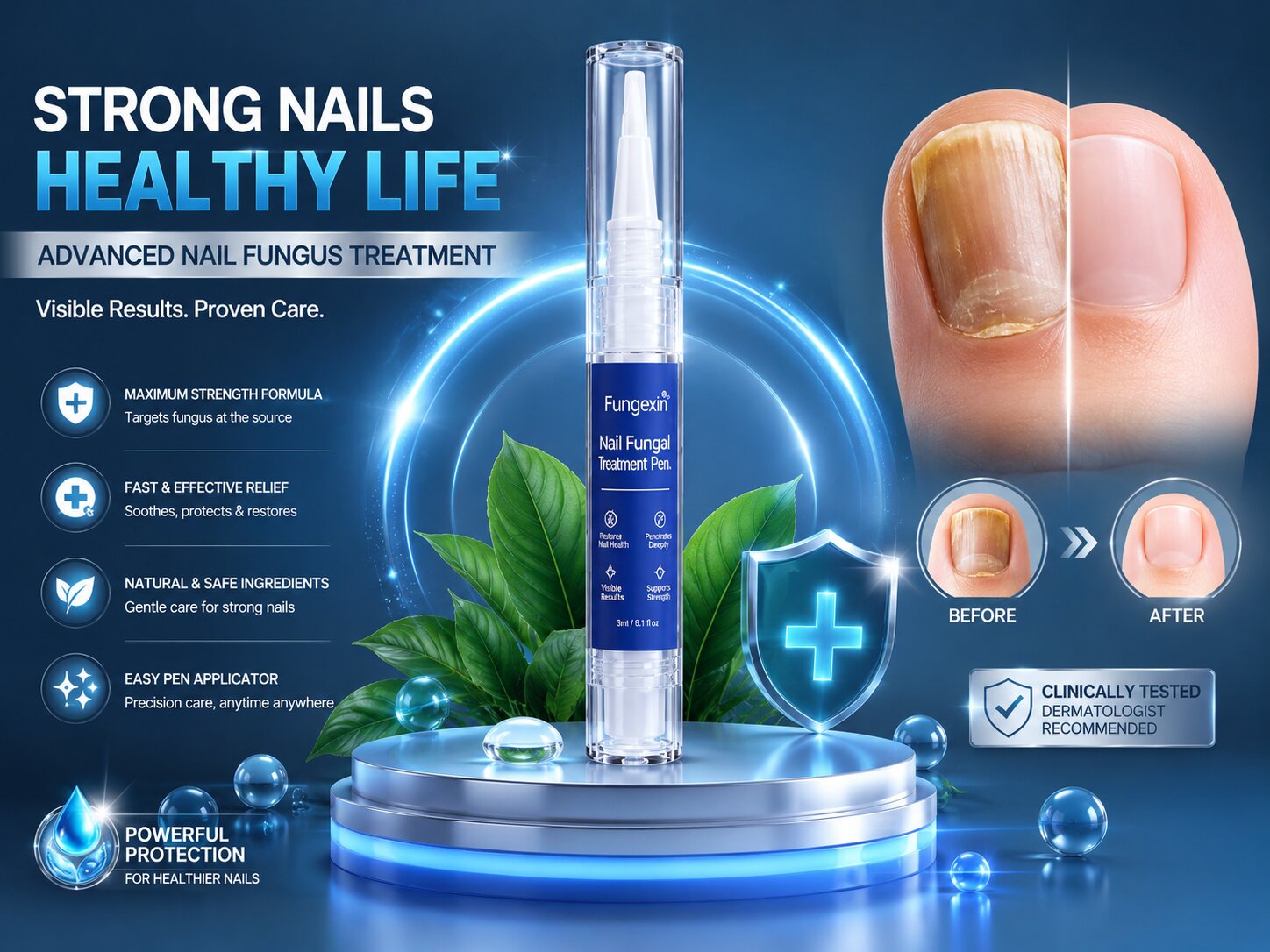
The Fungexin Fungus Removal dense keratin structure of the nail acts as a formidable natural shield, limiting the depth to which many topical treatments can reach. Older lacquer-based formulas, in particular, tend to sit on the surface of the nail, creating a heavy residue that does little to address the root cause of fungal proliferation beneath the nail plate. This is a source of considerable frustration for those who have tried multiple products without seeing meaningful results. The reality is that effective nail care requires a formulation specifically engineered to overcome these biological barriers — one that can reach the affected areas without relying on the thick, occlusive coatings characteristic of outdated treatment approaches.
Also Read: Fungexin Fungus Pen 2026 Consumer Report
Persistent, visible nail changes — including yellowing, thickening, crumbling edges, or white and brown streaks — are among the most common complaints brought to dermatologists and podiatrists. These aesthetic concerns are often accompanied by a sense of self-consciousness, particularly when they affect fingernails or become visible in open-toed footwear. The psychological dimension of Nail health should not be underestimated: many individuals report avoiding social situations, feeling embarrassed during handshakes, or experiencing anxiety about others noticing the condition of their nails. This emotional burden underscores why effective, accessible treatment options are so important.
Dense Keratin Barrier
The nail plate’s tightly packed keratin structure naturally resists penetration, making many surface-level treatments ineffective at reaching the source of fungal growth.
Surface Residues
Conventional lacquers and older formulas leave heavy residues that sit on top of the nail rather than absorbing into the affected areas where treatment is needed.
Long-Term Frustration
Visible nail changes require consistent, sustained care over weeks and months — quick fixes rarely deliver lasting improvement, and patience is essential.
Understanding the biological reality of nail structure and fungal behaviour is the first step toward selecting a treatment that stands a genuine chance of making a difference. Fungal organisms thrive in warm, moist environments and can persist for extended periods if not addressed with a disciplined, well-targeted approach. The key lies in choosing a product designed with modern formulation science — one that respects the complexity of the nail’s anatomy while delivering active ingredients precisely where they are needed.